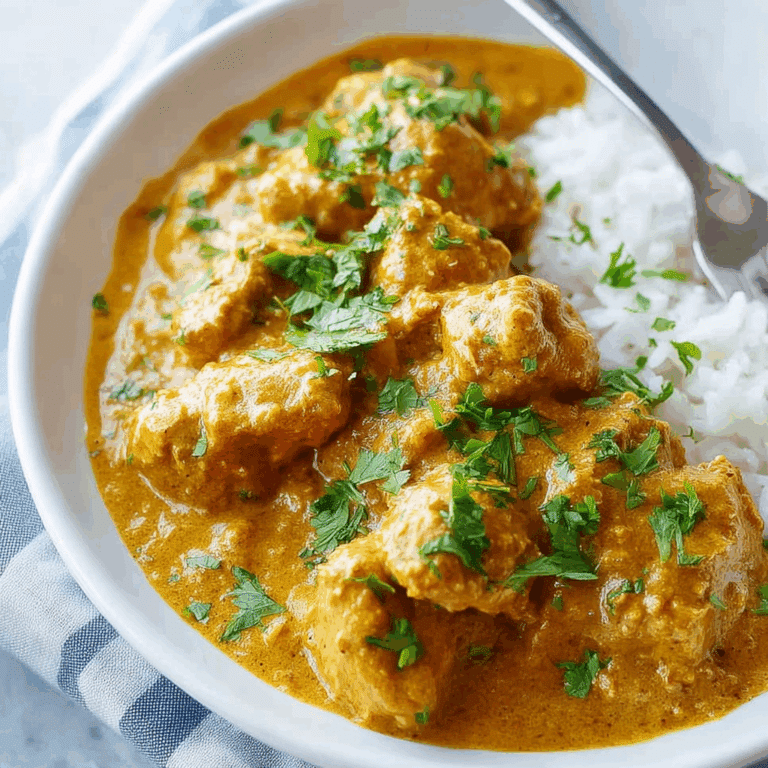
Sri Lankan Egg Curry

Discover the rich flavors of Sri Lankan Egg Curry, a spicy and comforting dish perfect for any meal. This beloved local recipe combines hard-boiled eggs simmered in a fragrant, aromatic sauce bursting with warmth from traditional spices, coconut milk, and tangy tomatoes. Whether you’re preparing a quick weeknight dinner or craving something with a little more zest, Sri Lankan Egg Curry offers a hearty and satisfying culinary experience that’s easy to make and sure to impress.
Why You’ll Love This Recipe
- Rich Flavor Profile: The blend of spices and coconut milk creates a luscious sauce that perfectly complements the eggs.
- Simple and Quick: With basic ingredients and straightforward steps, it’s accessible for cooks of all skill levels.
- Versatile Meal: It shines as a main course or pairs beautifully with rice, bread, or roti.
- Nutritious and Filling: Eggs bring protein while the spices boost metabolism and provide antioxidants.
- Culturally Inviting: Experience a taste of Sri Lanka’s rich culinary heritage right in your kitchen.
Ingredients You’ll Need
All you need are a handful of simple yet essential ingredients that work in harmony to build the signature taste, texture, and vibrant color of Sri Lankan Egg Curry.
- Hard-boiled eggs: The main star, adding creaminess and protein to the dish.
- Onions: Sautéed to form a sweet, golden base that enhances depth.
- Garlic and ginger: Provide aromatic freshness and a slight zing.
- Tomatoes: Add acidity and natural sweetness to balance spices.
- Coconut milk: Offers a rich, silky texture and mellow flavor that ties everything together.
- Spices (cumin, coriander, turmeric, cinnamon): Build complex warmth and authentic Sri Lankan flavor.
- Chili powder or fresh green chilies: Bring the essential heat that gives the curry its kick.
- Curry leaves: Provide a uniquely fragrant and earthy element.
- Mustard seeds: Add crunch and a pungent pop during tempering.
- Oil (coconut or vegetable): Used for frying the spices and aromatics for full flavor release.
- Salt: To bring all the flavors into balance.
Variations for Sri Lankan Egg Curry
The beauty of Sri Lankan Egg Curry is how easily it adapts to different preferences, ingredients on hand, and dietary choices. Feel free to explore these variations to make the recipe your own.
- Use plant-based milk: Swap coconut milk for almond or cashew milk for a lighter, dairy-free variation.
- Add vegetables: Toss in potatoes, carrots, or peas for added texture and nutrition.
- Adjust spice levels: Add more fresh chilies or reduce chili powder depending on your heat tolerance.
- Include protein boost: Mix in cooked lentils or chickpeas for extra heartiness.
- Herb infusions: Garnish with fresh coriander or mint to lend bright herbal notes.

How to Make Sri Lankan Egg Curry
Step 1: Prepare the Eggs
Start by boiling the eggs until hard-boiled, about 9-12 minutes. Once cooked, cool them under running water and peel carefully. Set aside.
Step 2: Sauté the Aromatics
Heat oil in a pan over medium heat. Add mustard seeds and curry leaves and let them pop. Then add finely chopped onions, cooking until translucent and slightly golden. Stir in garlic and ginger paste, frying until fragrant.
Step 3: Add Spices and Tomatoes
Mix in turmeric, cumin, coriander, chili powder, and cinnamon. Cook the spices for about a minute to release their aroma. Add chopped tomatoes and cook down, letting the mixture thicken and darken for a rich base.
Step 4: Incorporate Coconut Milk
Pour in coconut milk and simmer gently, stirring occasionally. The sauce will become creamy and aromatic as it combines with the spices.
Step 5: Add Eggs and Simmer
Carefully add the peeled boiled eggs to the curry sauce. Let everything simmer together for 5-7 minutes so the eggs soak up the spices. Season to taste with salt.
Step 6: Final Touches
Garnish with fresh curry leaves or coriander before serving. Enjoy this vibrant, flavorful dish hot.
Pro Tips for Making Sri Lankan Egg Curry
- Use fresh spices: Fresh ground spices provide deeper flavor than pre-ground versions.
- Don’t rush the sautéing: Allow onions and spices to cook slowly for a caramelized, rich base.
- Peel eggs carefully: Use slightly older eggs or crack and peel under running water for a smooth finish.
- Control the heat: Add chilies gradually to get your perfect spice level without overpowering the dish.
- Rest before serving: Letting the curry sit for a few minutes off heat enhances the flavors.
How to Serve Sri Lankan Egg Curry
Garnishes
Fresh curry leaves, cilantro, or thinly sliced green chilies add a final burst of color and aroma that makes the dish feel lively and festive.
Side Dishes
Traditionally paired with steaming white rice or fragrant basmati, Sri Lankan Egg Curry is also fantastic alongside fresh roti, naan, or even crusty bread to soak up every bit of the sauce.
Creative Ways to Present
For a fun twist, try serving the egg curry over quinoa or with a side of sautéed greens. You can also halve the eggs and arrange them neatly with the sauce drizzled on top for a guest-worthy presentation.
Make Ahead and Storage
Storing Leftovers
Store leftover Sri Lankan Egg Curry in an airtight container in the refrigerator for up to 3 days. The flavors deepen over time, making it even tastier when reheated.
Freezing
You can freeze the curry without eggs for up to 2 months. Add freshly boiled eggs after thawing and reheating for best texture and taste.
Reheating
Reheat gently on the stovetop over low heat, stirring occasionally. Add a splash of water or coconut milk if the sauce thickens too much.
FAQs
Can I make Sri Lankan Egg Curry vegan?
While traditional Sri Lankan Egg Curry centers on eggs, you can substitute with tofu or chickpeas for a vegan version that still carries the same flavorful sauce.
How spicy is Sri Lankan Egg Curry?
The spice level can vary widely depending on how much chili powder or fresh chilies you add, but it’s generally moderately spicy with a balanced warmth from the spices.
What can I serve with Sri Lankan Egg Curry besides rice?
The curry also pairs wonderfully with flatbreads like roti, naan, or even crusty bread, and can be complemented by simple vegetable sides or salads.
Can I prepare Sri Lankan Egg Curry ahead of time?
Yes! The flavors often improve after resting for several hours or overnight, making it a perfect dish to prepare ahead and reheat before serving.
Is Sri Lankan Egg Curry healthy?
Absolutely. Eggs provide high-quality protein, and the warming spices and coconut milk contribute beneficial nutrients and antioxidants, making this dish both delicious and nourishing.
Final Thoughts
Ready to bring a burst of warmth and bold flavor to your dining table? Sri Lankan Egg Curry is a vibrant, comforting dish that’s surprisingly easy to prepare and endlessly rewarding to enjoy. Whether you’re new to Sri Lankan cuisine or looking to expand your recipe collection, this curry is a delightful must-try that will keep you coming back for more. So grab those eggs and start cooking—your taste buds will thank you!
Related Posts
- Sweet and Creamy Chicken Bacon Ranch Pasta
- Sweet and Savory Pineapple Chicken and Rice Recipe
- Creamy Ranch Chicken
Sri Lankan Egg Curry

Sri Lankan Egg Curry is a spicy, aromatic, and comforting dish featuring hard-boiled eggs simmered in a rich sauce made from traditional Sri Lankan spices, coconut milk, and tomatoes. This hearty curry offers a delicious blend of warmth and tang, perfect for a quick weeknight meal or a flavorful main course that pairs excellently with rice, roti, or bread.
- Prep Time: 15 minutes
- Cook Time: 25 minutes
- Total Time: 40 minutes
- Yield: 4 servings 1x
- Category: Main Course
- Method: Stovetop
- Cuisine: Sri Lankan
- Diet: Gluten Free
Ingredients
Main Ingredients
- 6 hard-boiled eggs, peeled
- 1 large onion, finely chopped
- 3 cloves garlic, minced or garlic paste
- 1-inch piece ginger, grated or ginger paste
- 2 medium tomatoes, chopped
- 1 cup coconut milk
- 1 teaspoon cumin seeds
- 1 teaspoon ground coriander
- 1 teaspoon turmeric powder
- 1/2 teaspoon ground cinnamon
- 1 teaspoon chili powder or 2 fresh green chilies, sliced
- 10 fresh curry leaves
- 1 teaspoon mustard seeds
- 2 tablespoons coconut oil or vegetable oil
- Salt, to taste
Optional Variations
- 1/2 cup diced potatoes, carrots, or peas (for added vegetables)
- 1/2 cup cooked lentils or chickpeas (for extra protein)
- Herbs like fresh coriander or mint for garnish
- Alternative plant-based milk like almond or cashew milk in place of coconut milk
Instructions
- Prepare the Eggs: Start by boiling the eggs for 9-12 minutes until hard-boiled. Once cooked, cool them under running water and carefully peel. Set aside.
- Sauté the Aromatics: Heat oil in a pan over medium heat. Add mustard seeds and curry leaves and let them sizzle and pop. Add the finely chopped onions and sauté until translucent and golden brown. Stir in the garlic and ginger paste and fry until fragrant.
- Add Spices and Tomatoes: Mix in turmeric, cumin, coriander, chili powder, and cinnamon. Cook the spices for about a minute to release their aroma. Add the chopped tomatoes and cook down, allowing the mixture to thicken and darken, forming a rich base.
- Incorporate Coconut Milk: Pour in the coconut milk and simmer gently, stirring occasionally. The sauce will become creamy and aromatic as it melds with the spices.
- Add Eggs and Simmer: Carefully add the peeled boiled eggs to the curry sauce. Let it simmer together for 5-7 minutes so the eggs absorb some of the flavors. Season to taste with salt.
- Final Touches: Garnish with fresh curry leaves or chopped coriander before serving. Serve hot and enjoy.
Notes
- Use fresh ground spices for deeper and more vibrant flavors.
- Cook onions and spices slowly to develop a rich, caramelized base.
- Peel eggs under running water or use slightly older eggs for easier peeling.
- Adjust chili quantity gradually to achieve your preferred spice level.
- Allow the curry to rest off the heat for a few minutes before serving to enhance flavor.
- Leftovers keep well refrigerated for up to 3 days. Reheat gently and add a splash of coconut milk or water if the sauce thickens too much.
Nutrition
- Serving Size: 1 serving
- Calories: 280 kcal
- Sugar: 5 g
- Sodium: 450 mg
- Fat: 20 g
- Saturated Fat: 16 g
- Unsaturated Fat: 4 g
- Trans Fat: 0 g
- Carbohydrates: 8 g
- Fiber: 2 g
- Protein: 12 g
- Cholesterol: 185 mg
Keywords: Sri Lankan Egg Curry, spicy egg curry, coconut milk curry, Sri Lankan cuisine, easy egg curry recipe